

HOMA-IR (Homeostatic Model Assessment for Insulin Resistance)
Approximates insulin resistance
Creator Dr. David R. Matthews, MD
Min 0 – Max 500
Introduction
The homeostatic model assessment for insulin resistance (HOMA-IR) score is a shortcut for estimating severity of insulin resistance (IR) in patients evaluated for potentially impaired glucose tolerance and diabetes. It is not intended for patients on insulin, and studies have questioned its accuracy in several populations, such as the elderly. The score may be most beneficial for population-based assessments. Additionally, optimal diagnostic cutoffs for normal insulin resistance and insulin resistance related conditions can vary considerably across populations.
"Clamp' measurement is the gold standard for measuring IR but remains resource intensive, invasive, and time consuming. The HOMAR-IR score is often considered as a surrogate metric. Studies suggest a reasonable correlation between HOMAR-IR and 'clamp' measurement. However, agreement levels between the two are weak which suggests more research is needed to gauge individual accuracy and clinical use.
Scoring
The homeostatic model assessment for insulin resistance (HOMAR-IR) score is used as a surrogate metric for insulin resistance (IR) severity. The 'clamp' measurement remains the gold standard. Additionally, optimal diagnostic cutoffs for normal insulin resistance and insulin resistance related conditions can vary considerably across populations.
Formula
HOMAR-IR Score = (Fasting Insulin, µIU/mL) * (Fasting Glucose, mg/dL) / 405
Results
Common reference levels for HOMAR-IR insulin resistance range from 0.7 - 2.
Studies suggests a score > 2 may indicate insulin resistance. However, "normal" values appear to vary greatly by population.
All questions & possible results
QuestionsTitle not visible
Fasting Insulin
A number between 0 and 500, in µIU/mL or pmol/L.
Fasting Glucose
A number between 0 and 1000, in mg/dL or mmol/L.
Possible results
HOMA-IR Score
Studies suggests a score > 2 may indicate insulin resistance. However, "normal" values appear to vary greatly by population.
- Should not be used in patients on insulin.
Citation
Matthews DR, Hosker JP, Rudenski AS, Naylor BA, Treacher DF, Turner RC. Homeostasis model assessment: insulin resistance and beta-cell function from fasting plasma glucose and insulin concentrations in man. Diabetologia. 1985 Jul;28(7):412-9.
Literature
Homeostasis model assessment: insulin resistance and beta-cell function from fasting plasma glucose and insulin concentrations in man. Diabetologia. 1985 Jul;28(7):412-9.
https://pubmed.ncbi.nlm.nih.gov/3899825/Validation of simple indexes to assess insulin sensitivity during pregnancy in Wistar and Sprague-Dawley rats. Am J Physiol Endocrinol Metab. 2008 Nov;295(5):E1269-76.
https://pubmed.ncbi.nlm.nih.gov/18796548/Age- and sex-specific reference values for fasting serum insulin levels and insulin resistance/sensitivity indices in healthy Iranian adults: Tehran Lipid and Glucose Study. Clin Biochem. 2014 Apr;47(6):432-8.
https://pubmed.ncbi.nlm.nih.gov/24530467/Insulin resistance index (HOMA-IR) in the differentiation of patients with non-alcoholic fatty liver disease and healthy individuals. Arq Gastroenterol [Internet]. 2010Apr;47(2):165–9.
https://www.scielo.br/j/ag/a/3zP6Zw4zPXY9Rv3Tzk4TZ6N/?lang=en#
- Creator
- Provided by
EVAL Foundation
- Contributor · Reviewer
Jennifer Glen, DNP, FNP-BCEVAL Health, Chief Medical Officer EVAL Foundation
Related evaluations
Sodium Correction for Hyperglycemia
Calculates the actual sodium level in patients with hyperglycemia.
 Dr. Teresa A. Hillier, MD, MS
Anion Gap
Evaluates states of metabolic acidosis
 Dr. Man S. Oh, MD
LDL Calculation
LDL calculation from total cholesterol, HDL and triglycerides.
 Dr. William Friedewald, MD
The RAND 20-Item Short Form Health Survey (SF-20)
A 20-item, patient-reported survey (RAND v.1) measuring health status and quality of life across six health domains.
 Dr. Anita L. Stewart, PhD
Alcohol Use Disorders Identification Test - C (AUDIT-C)
A 3-item tool to screen for unhealthy alcohol use in patients who may not be alcohol-dependent.
 Dr. Katharine Bradley, MD, MPH
Alcohol Use Disorders Identification Test (AUDIT)
A 10-item tool to screen for hazardous alcohol use, harmful use, and alcohol dependence.
 World Health Organization Collaborative Project
Body Mass Index (BMI) and Body Surface Area (BSA)
Calculates body mass index and body surface area (Mosteller formula).
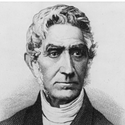 Adolphe Quetelet (1796-1874)
Also from EVAL Foundation
American Shoulder and Elbow Surgeons (ASES) Shoulder Score
15-item assessment of shoulder pain and functional limitations in activities of daily living.
 Dr. Robin R. Richards, MD, FRCSC, FAAOS, FAOA
Behavioral Activity Rating Scale (BARS)
A 1-item rating scale to quantify a patient's level of agitation in acute care or psychiatric settings.
Drug Abuse Screening Test (DAST-10)
A patient self-report questionnaire to screen for problematic drug use (excluding alcohol/tobacco).
 Dr. Harvey A. Skinner, Ph.D.
Foot and Ankle Ability Measure (FAAM)
Assesses functional limitations and disability related to foot and ankle conditions in daily activities and sports.
 Dr. Jesse Van Swearingen, PhD, PT, FAPTA
Foot and Ankle Disability Index (FADI)
Assess functional limitations of those with a variety of foot and ankle conditions
 Dr. RobRoy Martin, PhD, PT, CSCS
General Anxiety Disorder (GAD-7)
Measure severity of anxiety
 Dr. Robert L. Spitzer, MD
Geriatric Depression Scale (GDS-15)
Identifies possible depression in older adults.
 Dr. Jerome A. Yesavage, MD
Hip Outcome Score
Assess functional limitations related to hip pathology, specifically in active individuals undergoing surgery.
 Dr. RobRoy L. Martin, PhD, PT, CSCS