

Weight-Based Levothyroxine Dose Calculator for Hypothyroidism in Adults
Determines a weight-based levothyroxine dose for treatment of primary hypothyroidism.
Creator Dr. James V. Hennessey, MD
Instructions
Enter the patien's body weight in either kg or lbs to calculate the full oral thyroid replacement dose of levothyroxine in the treatment of hypothyroidism.
Min 0 – Max 9000
The Weight-based Levothyroxine Dose Calculator provides a standardized, evidence-based starting dose of levothyroxine. The dosage recommendation is an approximation of the average daily levothyroxine requirement in otherwise healthy adults with primary hypothyroidism. This tool is Intended for use in non-pregnant adults <65 years old without ischemic heart disease who have primary hypothyroidism with minimal endogenous thyroid function (TSH >20 mIU/L and low free T4). This tool is not appropriate for patients with mild or subclinical hypothyroidism (untreated TSH <10–20 mIU/L), as they have residual thyroid function and typically require lower levothyroxine doses.
Formula
Recommended oral levothyroxine dose (μg/day) = 1.6 × (Weight, kg)
Best Practices
Prescribing guidance
Levothyroxine tablets are available in standard doses: 25, 50, 75, 88, 100, 112, 125, 137, 150, 175, 200, and 300 mcg.
Round the calculated dose by 10–15 mcg to the closest available tablet strength.
If a nonstandard dose is desired, clinicians may use pill combinations, tablet splitting, or dosing that varies by day of the week.
Levothyroxine’s long half-life (approximately 7 days) ensures stable thyroid hormone levels despite day-to-day variations; for example, an extra pill 1–2 times per week can be employed to increase a dose.
The choice between brand name and generic levothyroxine is guided by availability, cost, and patient preference, as they are equally efficacious.
Patient instructions
Take levothyroxine on an empty stomach with water, ideally first thing in the morning.
Wait 30–60 minutes before eating or taking other medications.
Separate calcium or iron supplements (including multivitamins) from levothyroxine by at least 4 hours.
If evening administration is preferred, take levothyroxine 3–4 hours after the last meal or snack.
If a dose is missed, it is generally safe to make up for the missed dose by taking double the levothyroxine the following day.
Other considerations
Requirements that significantly exceed the weight-based dose or >200–300 mcg/day suggest possible malabsorption or medication nonadherence and warrant further evaluation.
For ongoing management, monitor TSH and clinical response every 4–8 weeks, adjusting the dose by 12.5–25 mcg as needed.
Consult an endocrinologist for complex or refractory cases, or for further questions or concerns regarding thyroid disease management.
Special populations
Obesity
Using actual body weight may result in overdosing; consider using ideal body weight for patients with increased BMI.
Older adults and cardiac disease
For patients >65 years or those with ischemic heart disease, doses may be lower to avoid iatrogenic cardiac complications.
In the absence of significant hypothyroidism or total thyroidectomy, initiate therapy at lower doses (12.5–25 mcg/day) and titrate gradually.
Pregnancy
Thyroid hormone requirements are generally higher during pregnancy, with starting doses ranging from 1.2–2.3 mcg/kg depending on the severity (mild-to-moderate starting doses are often 50–100 mcg/day).
TSH goals in pregnancy are also tighter to support fetal development: <2.5 mIU/L in the first trimester and <3 mIU/L in the second and third trimesters.
For patients with preexisting hypothyroidism who become pregnant, a 20%–30% dose increase in their pre-pregnancy levothyroxine dose is indicated.
Thyroid cancer
Patients with a history of thyroidectomy for cancer usually require higher levothyroxine doses with lower TSH targets, depending on the stage of thyroid cancer at diagnosis, risk of recurrence, biochemical or structural response to therapy, and patient comorbidities.
Levothyroxine doses in thyroid cancer are typically 2.1–2.7 mcg/kg, with a typical starting dose of approximately 2 mcg/kg/day to achieve appropriate TSH suppression.
Malabsorption
Conditions such as celiac disease, inflammatory bowel disease, gut edema, or concurrent calcium/iron use may reduce levothyroxine absorption and necessitate higher doses.
In severe cases, intravenous or intramuscular therapy may be required.
Myxedema coma
Refer to dedicated guidelines for urgent, high-dose IV levothyroxine treatment.
All questions & possible results
Body weight
A number between 0 and 9000, in kg or lbs.
Possible results
Estimated daily levothyroxine dose for adults
Best Practices
Prescribing guidance
Levothyroxine tablets are available in standard doses: 25, 50, 75, 88, 100, 112, 125, 137, 150, 175, 200, and 300 mcg.
Round the calculated dose by 10–15 mcg to the closest available tablet strength.
If a nonstandard dose is desired, clinicians may use pill combinations, tablet splitting, or dosing that varies by day of the week.
Levothyroxine’s long half-life (approximately 7 days) ensures stable thyroid hormone levels despite day-to-day variations; for example, an extra pill 1–2 times per week can be employed to increase a dose.
The choice between brand name and generic levothyroxine is guided by availability, cost, and patient preference, as they are equally efficacious.
Patient instructions
Take levothyroxine on an empty stomach with water, ideally first thing in the morning.
Wait 30–60 minutes before eating or taking other medications.
Separate calcium or iron supplements (including multivitamins) from levothyroxine by at least 4 hours.
If evening administration is preferred, take levothyroxine 3–4 hours after the last meal or snack.
If a dose is missed, it is generally safe to make up for the missed dose by taking double the levothyroxine the following day.
Other considerations
Requirements that significantly exceed the weight-based dose or >200–300 mcg/day suggest possible malabsorption or medication nonadherence and warrant further evaluation.
For ongoing management, monitor TSH and clinical response every 4–8 weeks, adjusting the dose by 12.5–25 mcg as needed.
Consult an endocrinologist for complex or refractory cases, or for further questions or concerns regarding thyroid disease management.
Click the Learn button at the top for information on calculations for special population considerations.
Citation
Hennessey JV, Evaul JE, Tseng YC, Burman KD, Wartofsky L. L-thyroxine dosage: a reevaluation of therapy with contemporary preparations. Ann Intern Med. 1986 Jul;105(1):11-5. doi: 10.7326/0003-4819-105-1-11. PMID: 3087253.
Literature
L-thyroxine dosage: a reevaluation of therapy with contemporary preparations. Ann Intern Med. 1986 Jul;105(1):11-5. doi: 10.7326/0003-4819-105-1-11. PMID: 3087253.
https://pubmed.ncbi.nlm.nih.gov/3087253/American Thyroid Association Task Force on Thyroid Hormone Replacement. Guidelines for the treatment of hypothyroidism: prepared by the american thyroid association task force on thyroid hormone replacement. Thyroid. 2014 Dec;24(12):1670-751. doi: 10.1089/thy.2014.0028. PMID: 25266247; PMCID: PMC4267409.
https://pubmed.ncbi.nlm.nih.gov/25266247/American Association of Clinical Endocrinologists and American Thyroid Association Taskforce on Hypothyroidism in Adults. Clinical practice guidelines for hypothyroidism in adults: cosponsored by the American Association of Clinical Endocrinologists and the American Thyroid Association. Endocr Pract. 2012 Nov-Dec;18(6):988-1028. doi: 10.4158/EP12280.GL. Erratum in: Endocr Pract. 2013 Jan-Feb;19(1):175. PMID: 23246686.
https://pubmed.ncbi.nlm.nih.gov/23246686/
- Creator
- Provided by
EVAL Foundation
- Contributor · Reviewer
Jennifer Glen , DNP, FNP-BC EVAL Health, Chief Medical Officer EVAL Foundation
Related evaluations
Body Mass Index (BMI) and Body Surface Area (BSA)
Calculates body mass index and body surface area (Mosteller formula).
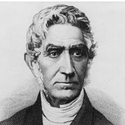 Adolphe Quetelet (1796-1874)
LDL Calculation
LDL calculation from total cholesterol, HDL and triglycerides.
 Dr. William Friedewald, MD
The RAND 20-Item Short Form Health Survey (SF-20)
A 20-item, patient-reported survey (RAND v.1) measuring health status and quality of life across six health domains.
 Dr. Anita L. Stewart, PhD
The RAND (v.1) 36-Item Short Form Survey Instrument (SF-36)
A 36-item, patient-reported survey (RAND v.1) measuring health status and quality of life across eight health domains.
Patient Health Questionnaire-9 (PHQ-9) Adult
10 - item assessment tool for screening, diagnosing, monitoring and measuring the severity of depression.
 ISSWSH
General Anxiety Disorder (GAD-7)
Measure severity of anxiety
 Dr. Robert L. Spitzer, MD
Also from EVAL Foundation
Alcohol Use Disorders Identification Test - C (AUDIT-C)
A 3-item tool to screen for unhealthy alcohol use in patients who may not be alcohol-dependent.
 Dr. Katharine Bradley, MD, MPH
Alcohol Use Disorders Identification Test (AUDIT)
A 10-item tool to screen for hazardous alcohol use, harmful use, and alcohol dependence.
 World Health Organization Collaborative Project
American Shoulder and Elbow Surgeons (ASES) Shoulder Score
15-item assessment of shoulder pain and functional limitations in activities of daily living.
 Dr. Robin R. Richards, MD, FRCSC, FAAOS, FAOA
Behavioral Activity Rating Scale (BARS)
A 1-item rating scale to quantify a patient's level of agitation in acute care or psychiatric settings.
Drug Abuse Screening Test (DAST-10)
A patient self-report questionnaire to screen for problematic drug use (excluding alcohol/tobacco).
 Dr. Harvey A. Skinner, Ph.D.
Foot and Ankle Ability Measure (FAAM)
Assesses functional limitations and disability related to foot and ankle conditions in daily activities and sports.
 Dr. Jesse Van Swearingen, PhD, PT, FAPTA
Foot and Ankle Disability Index (FADI)
Assess functional limitations of those with a variety of foot and ankle conditions
 Dr. RobRoy Martin, PhD, PT, CSCS
Hip Outcome Score
Assess functional limitations related to hip pathology, specifically in active individuals undergoing surgery.
 Dr. RobRoy L. Martin, PhD, PT, CSCS