

Mean Arterial Pressure (MAP)
Calculates mean arterial pressure
Creador Dr. Sheldon Magder, MD
Min 0 – Max 400
Introduction
Blood pressure benchmarks are linked to improve outcomes in several conditions, to include sepsis, stroke, trauma, hypertensive emergencies, and intracranial bleed. Clinical Guidelines often use either systolic blood pressure (SBP) or mean arterial pressure (MAP) as a blood pressure goal. However, several guidelines recommend a blood pressure adjustment based on MAP rather than SBP when there is a concern for appropriate organ perfusion. An example includes the Surviving Sepsis Campaign 2021 Adult Guidelines.
Formula
The mean arterial pressure (MAP) is derived from a patient's systolic blood pressure (SBP) and diastolic blood pressure (DBP). MAP is often recommended as a surrogate indicator of blood flow and may be a better indicator of tissue perfusion than SBP since two thirds of the cardiac cycle is spent in diastole.
Mean Arterial Pressure (MAP) = 1/3 * SBP + 2/3 * DBP
Goals & Management (Surviving Sepsis Campaign Guidelines Committee)
A MAP ≥ 60 mm Hg: Required to maintain adequate tissue perfusion.
A MAP ≥ 65 mm Hg: Recommended in the context of severe sepsis and septic shock.
Todas las preguntas y los resultados posibles
QuestionsTítulo no visible
Systolic BP
A number between 0 and 400, in mm Hg.
Diastolic BP
A number between 0 and 200, in mm Hg.
Resultados posibles
Mean Arterial Pressure (MAP)
Goals & Management (Surviving Sepsis Campaign Guidelines Committee)
- A MAP ≥ 60 mm Hg: Required to maintain adequate tissue perfusion.
- A MAP ≥ 65 mm Hg: Recommended in the context of severe sepsis and septic shock.
Cómo citar
Magder SA. The highs and lows of blood pressure: toward meaningful clinical targets in patients with shock. Crit Care Med. 2014 May;42(5):1241-51. doi: 10.1097/CCM.0000000000000324. PMID: 24736333.
Bibliografía
The highs and lows of blood pressure: toward meaningful clinical targets in patients with shock. Crit Care Med. 2014 May;42(5):1241-51.
https://pubmed.ncbi.nlm.nih.gov/24736333/Systolic and Diastolic Blood Pressure, Pulse Pressure, and Mean Arterial Pressure as Predictors of Cardiovascular Disease Risk in Men. Hypertension. 2000 (36) 801-807.
https://www.ahajournals.org/doi/full/10.1161/01.hyp.36.5.801Surviving Sepsis Campaign: International Guidelines for Management of Sepsis and Septic Shock 2021. Critical Care Medicine 49(11):p e1063-e1143, November 2021.
https://journals.lww.com/ccmjournal/fulltext/2021/11000/surviving_sepsis_campaign__international.21.aspx
- Creador
- Proporcionado por
EVAL Foundation
- Colaborador · Revisor
Jennifer Glen, DNP, FNP-BCEVAL Health, Chief Medical Officer EVAL Foundation
Evaluaciones relacionadas
Anion Gap
Evaluates states of metabolic acidosis
 Dr. Man S. Oh, MD
Creatinine Clearance (Cockcroft-Gault Equation)
Calculates CrCl using the Cockcroft-Gault Equation
 Dr. Donald W. Cockcroft, MD
Creatinine Clearance (Cockcroft-Gault) Without BMI Adjustment
Calculates CrCl using the Cockcroft-Gault Equation
 Dr. Donald W. Cockcroft, MD
Calcium Correction for Hypoalbuminemia & Hyperalbuminemia
Calculates a corrected calcium level for patients with low or high albuminemia
Body Mass Index (BMI) and Body Surface Area (BSA)
Calculates body mass index and body surface area (Mosteller formula).
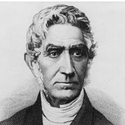 Adolphe Quetelet (1796-1874)
Sodium Correction for Hyperglycemia
Calculates the actual sodium level in patients with hyperglycemia.
 Dr. Teresa A. Hillier, MD, MS
Corrected QT Interval (QTc)
Corrects the QT interval for heart rate extremes (includes Bazett, Fridericia, Framingham, Hodges & Rautaharju formulas.
 Dr. Alex Sagie, MD
Más de EVAL Foundation
Alcohol Use Disorders Identification Test - C (AUDIT-C)
A 3-item tool to screen for unhealthy alcohol use in patients who may not be alcohol-dependent.
 Dr. Katharine Bradley, MD, MPH
Alcohol Use Disorders Identification Test (AUDIT)
A 10-item tool to screen for hazardous alcohol use, harmful use, and alcohol dependence.
 World Health Organization Collaborative Project
American Shoulder and Elbow Surgeons (ASES) Shoulder Score
15-item assessment of shoulder pain and functional limitations in activities of daily living.
 Dr. Robin R. Richards, MD, FRCSC, FAAOS, FAOA
Behavioral Activity Rating Scale (BARS)
A 1-item rating scale to quantify a patient's level of agitation in acute care or psychiatric settings.
Drug Abuse Screening Test (DAST-10)
A patient self-report questionnaire to screen for problematic drug use (excluding alcohol/tobacco).
 Dr. Harvey A. Skinner, Ph.D.
Foot and Ankle Ability Measure (FAAM)
Assesses functional limitations and disability related to foot and ankle conditions in daily activities and sports.
 Dr. Jesse Van Swearingen, PhD, PT, FAPTA
Foot and Ankle Disability Index (FADI)
Assess functional limitations of those with a variety of foot and ankle conditions
 Dr. RobRoy Martin, PhD, PT, CSCS
General Anxiety Disorder (GAD-7)
Measure severity of anxiety
 Dr. Robert L. Spitzer, MD